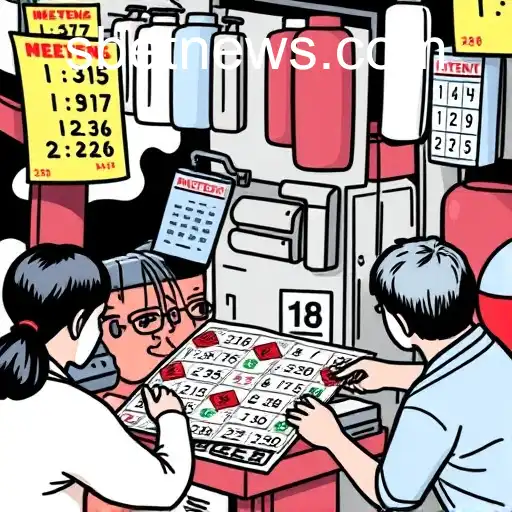
Understanding Jueteng and Its Impact on Society
Jueteng is a number-based game deeply ingrained in Philippine culture, yet it remains a controversial topic due to its illegal status. Despite being outlawed, Jueteng continues to thrive in various parts of the country, often overshadowing legitimate lottery systems.
The Mechanics of Jueteng
Jueteng is a simple numbers game similar to lotteries. Participants choose a combination of numbers and place their bets with a local collector known as a "kubrador." The winning numbers are drawn, and prizes are awarded based on the odds of the selected number combinations.
What sets Jueteng apart from authorized lotteries is its grassroots nature. The game operates outside the boundaries of formal gaming establishments, relying on local networks to facilitate bets and prize distributions. This decentralized approach allows Jueteng to flourish, even in the face of government crackdowns.
The Role of 'Sbet' in Jueteng
The term "sbet" is often associated with betting activities, drawing connections to Jueteng in contexts where informal gambling is prevalent. 'Sbet' is a colloquial term that implies small-scale betting, indicative of the nature of Jueteng, where participants wager small sums. This informal characterization highlights the pervasive and accessible nature of the game.
In regions where Jueteng is prevalent, the game acts as a social equalizer, allowing individuals from various economic backgrounds to participate. This accessibility contributes to its widespread popularity and resilience against legal challenges.
Economic and Social Implications
Jueteng's continuing operation has profound implications for local economies and communities. Many rely on the income generated by the game, whether as bettors, collectors, or intermediary personnel. The financial stakes create a complex economic ecosystem with ripple effects on local markets.
On a social level, Jueteng provides a sense of community and shared excitement. However, it also fosters dependencies that can lead to economic instability for families engaged heavily in the game. The lure of potentially large payouts can overshadow the realities of consistent losses, mirroring issues seen in other gambling contexts.
Critics argue that Jueteng diverts funds away from legitimate legalized gambling and tax revenue opportunities. This diversion represents a significant challenge for governmental authorities attempting to regulate and capitalize on gambling activities as part of economic policy.
Legal Perspectives and Challenges
Despite the outlawed status of Jueteng, enforcement remains sporadic due to a complex mix of cultural acceptance, economic reliance, and corruption. Efforts to eradicate Jueteng come into conflict with political interests, as some officials may benefit from the game's continued operation.
Anti-jueteng campaigns face significant obstacles. The symbiotic relationship between local police, bettors, and operators makes comprehensive enforcement difficult. This entanglement reflects broader challenges in regulating informal economies that evade governmental oversight.
Potential for Reform and Regulation
The persistence of Jueteng raises questions about the potential for reform or regulation. Advocates suggest legalizing and regulating Jueteng could streamline operations, improve oversight, and ensure government revenue through taxation.
Implementing such changes would require a multi-faceted approach, combining legislative action with community engagement. Efforts to legitimize Jueteng must consider the socioeconomic dependencies it has fostered to create equitable, sustainable solutions.
Future Outlook
The future of Jueteng remains uncertain. As leaders, policymakers, and communities grapple with its implications, the balance between cultural tradition and legal regulation continues to be a contentious issue.
In the context of evolving attitudes toward gambling and its role in society, Jueteng symbolizes the complexities of informal economic activities within modern legal frameworks. Understanding this balance is crucial for navigating the path forward.
For more insights on cultural and social topics, visit our homepage.